
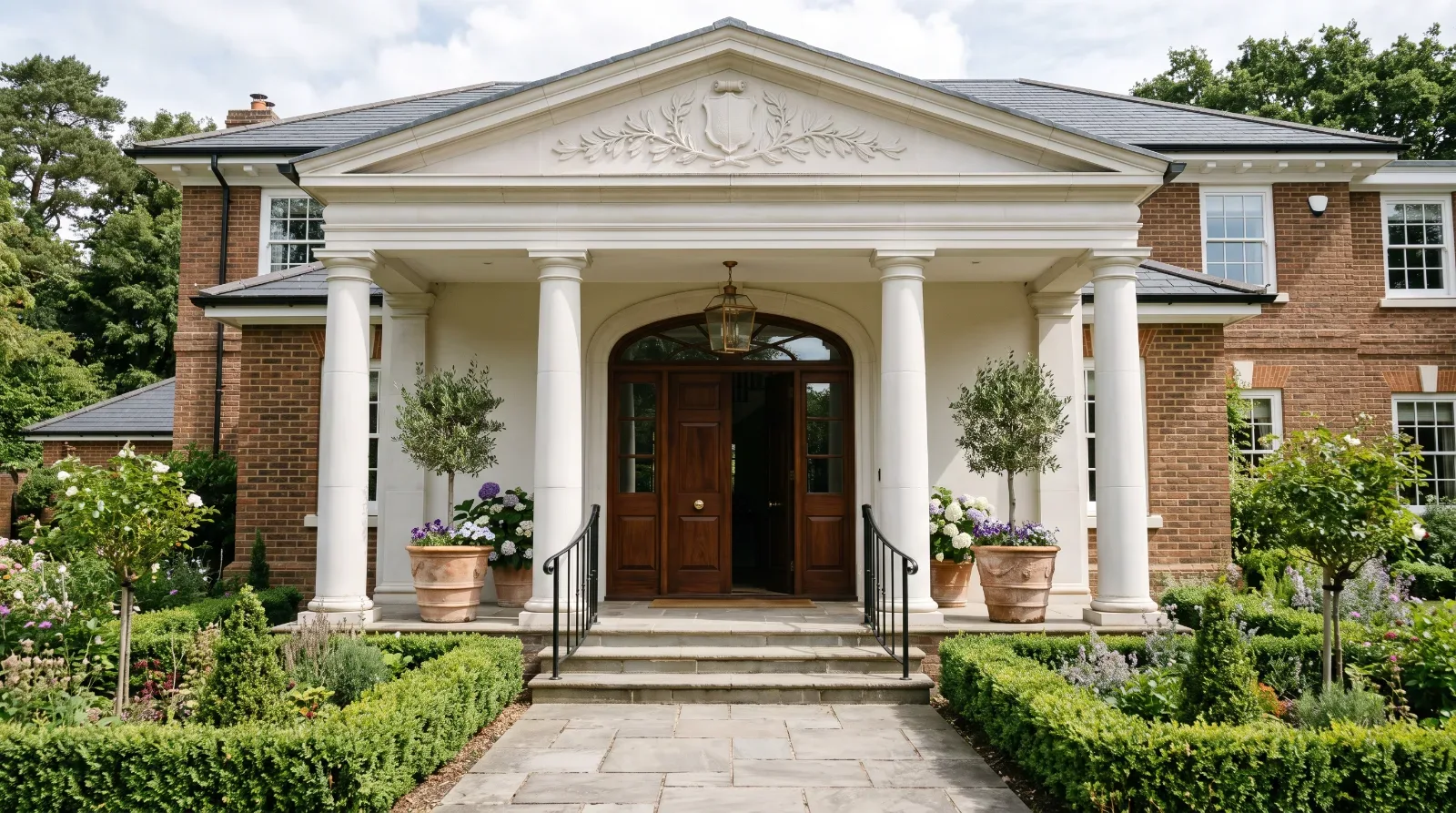
Pavement Tiles: Types, Sizes and How to Choose the Right Paver Tiles
Pavement tiles cover the outdoor areas of your home or building: the parking, driveway, porch, garden path and terrace. These areas take sun, rain, vehicle weight and constant foot traffic, so the wrong tile cracks, fades or turns slippery within a few years. This guide covers the main types of pavement tiles and how to choose between them.
Types of pavement tiles
1. Concrete interlocking pavers These are the zig-zag, I-shape and hexagonal blocks you see on footpaths and in society compounds. They're laid on a sand bed and lock into each other, so they spread vehicle load well and are easy to lift and relay. They cost the least, but their colour fades over time and the surface wears.
2. Concrete parking tiles (chequered tiles) These are flat, pressed concrete tiles, usually 20–30 mm thick, with a grip pattern on top. They're common in Indian homes for car parking and are cheap. Like interlocking pavers, they need re-sealing or replacement as the surface wears.
3. Porcelain / vitrified outdoor tiles These are made in kilns like indoor vitrified tiles, but with a textured anti-skid surface and extra thickness for outdoor loads. They absorb very little water (under 0.5%), so they don't soak up oil stains, grow moss or fade in the sun. They cost more upfront but look new for much longer.
4. Stone-look and wood-look outdoor tiles These are porcelain tiles printed to look like Kota stone, sandstone, slate or wooden decking. They're popular for porches, terraces and garden paths where looks matter as much as strength.
Which tile for which area? Area Recommended tile Why Car parking and driveway Thick porcelain outdoor tiles or heavy-duty concrete pavers on a concrete base Take vehicle load and resist oil stains Porch / entrance (portico) Anti-skid porcelain, stone-look First impression; must be safe when wet Garden path / walkway Interlocking pavers or stone-look tiles Good drainage; natural look Terrace / rooftop Light-coloured anti-skid outdoor tiles Stays cooler underfoot; handles rain Commercial compound Full-body vitrified or heavy pavers Colour runs through the tile, so wear doesn't show 5 things to check before buying pavement tiles Thickness: For areas where cars drive or park, use tiles made for vehicle loads, typically 15–20 mm or more. Standard 8–10 mm floor tiles are not built for this. Anti-skid rating: Look for R11 or higher for outdoor areas that get wet. Water absorption: Lower is better. Porcelain is under 0.5%, while concrete is much higher, which is why it stains and grows moss. Base preparation: Most failures come from a weak base, not the tile. Car parking tiles need a compacted, levelled concrete bed with a slight slope for drainage. Colour: Mid-tone greys, browns and stone shades hide tyre marks and dust better than pure white or black. Popular paving tile design ideas Two-tone chequer: grey and charcoal tiles laid in a chessboard pattern for parking areas Border and field: a darker tile border around a lighter centre for driveways Stone-look with grass joints: tiles spaced apart with grass between them for garden paths Herringbone pavers: a classic look for walkways that also locks well under load Final tip
For a home, porcelain outdoor tiles cost more on day one but usually work out cheaper over 10 years. They don't need re-painting or sealing, and they don't need replacing when the surface wears.
See our outdoor tiles and step-riser tiles for matching entrance steps.